Understanding Nigeria’s POS Regulations: A Complete Guide for Operators
Mansur Usman Sufi
30 Aug 2025
226
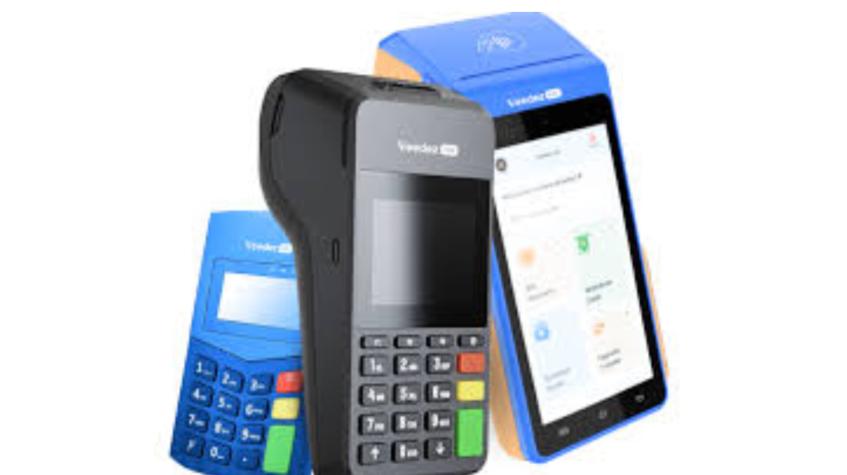
Understanding Nigeria’s POS Regulations: A Complete Guide for Operators
Introduction
In Nigeria, Point of Sale (POS) systems have revolutionized financial transactions, providing businesses and individuals with secure, cashless solutions. However, with the increasing adoption of POS technology, the Central Bank of Nigeria (CBN) and other regulatory bodies have set strict rules to ensure proper use, security, and accountability.
If you are a POS operator or planning to become one, understanding these regulations is crucial. Compliance not only avoids penalties but also builds trust with customers and financial institutions. This guide explains the key regulations, compliance requirements, and best practices for POS operators in Nigeria.
---
1. Registration and Licensing Requirements
Before operating a POS device in Nigeria:
1. Bank Account Requirement: You must have a verified account with a licensed bank in Nigeria.
2. POS License: Operators must register with a bank or payment service provider. Some banks require operators to provide personal identification and business details.
3. Verification: Identity verification (KYC – Know Your Customer) is mandatory. This ensures only legitimate operators run POS devices.
Pro Tip: Always keep your registration documents and bank verification updated to avoid interruptions in service.
---
2. POS Device Ownership and Usage Rules
The Nigerian government regulates POS usage to prevent fraud and financial crimes:
Authorized Banks Only: POS devices must be deployed by banks or licensed payment service providers.
Device Integrity: Operators are responsible for maintaining devices in proper working condition. Tampering or sharing POS devices is strictly prohibited.
Transaction Records: All transactions must be accurately recorded and stored.
Tip: Regularly audit your POS records to comply with bank and government requirements.
---
3. Transaction Limits and Reporting
To reduce money laundering and fraud risks, POS operators must adhere to:
Daily and Monthly Transaction Limits: Defined by the bank or regulatory authority.
Transaction Monitoring: Banks may require POS operators to submit reports on transaction volumes and anomalies.
Reporting Suspicious Activities: Any unusual transaction patterns must be reported to the bank and authorities.
---
4. Security Regulations
POS operations are highly regulated to protect customers and operators:
PIN Protection: Customers’ PINs must never be recorded or stored.
Data Privacy: Operators must follow data protection laws.
Device Security: POS devices must be securely stored and connected to authorized networks only.
Non-compliance can lead to fines, license revocation, or legal action.
---
5. Fees, Commissions, and Transparency
Regulatory bodies have set rules on fees and commissions:
Transparent Pricing: Operators must display transaction fees clearly to customers.
No Hidden Charges: Banks and POS agents cannot impose undisclosed fees.
Fair Commission Practices: Operators must follow the agreed commission rates set by their banks or service providers.
---
6. Consequences of Non-Compliance
POS operators who violate regulations face:
Fines: Monetary penalties imposed by banks or regulatory authorities.
Device Seizure: POS devices may be confiscated.
License Revocation: Operators may lose the right to operate.
Legal Action: Severe violations can result in criminal charges.
---
7. Best Practices for POS Operators
Always keep your KYC documents updated.
Train staff on proper POS handling and fraud prevention.
Perform regular audits on transaction records.
Educate customers on safe transaction practices.
Report suspicious activities promptly to the bank.
---
8. Frequently Asked Questions (FAQs)
Q1: Can anyone operate a POS device in Nigeria?
A1: No. Only registered operators with a bank or licensed payment service provider can operate a POS.
Q2: What happens if I tamper with a POS device?
A2: Tampering is illegal and may lead to fines, confiscation, or imprisonment.
Q3: Are there transaction limits for POS operations?
A3: Yes, banks set daily and monthly transaction limits to prevent fraud and money laundering.
Q4: How can I stay compliant with POS regulations?
A4: Keep KYC documents updated, maintain device security, monitor transactions, and follow bank rules.
---
Conclusion
Operating a POS device in Nigeria can be a profitable business, but it comes with regulatory responsibilities. Compliance with government and bank regulations ensures that your business is safe, secure, and trustworthy. By following these rules and best practices, POS operators can provide seamless financial services while avoiding fines and legal issues.
Leave a Comment
Your email will be kept private. Required fields are marked *
Search
Categories
-
(14)
-
(3)
-
(8)
-
(2)
-
(4)
-
(19)
-
(3)
-
(25)
-
(1)
-
(2)
-
(1)
-
(1)
-
(10)
-
(21)
-
(14)
Recent Article

The Rise of Data Analytics in European Football: How Clubs Are Using Stats to Gain Competitive Advantage in 2025
Read More

Mastering Digital Learning in 2025: How Professionals and Students in Europe and Asia Are Gaining High-Value Skills
Read More

The Ultimate Guide to Online Learning and Professional Certifications in 2025: High-Demand Skills for Europe and Asia
Read More

Digital Skills and Online Knowledge: Building Global Wealth in 2025 – Insights for UK, Germany, UAE, and India
Read More

How the Global Digital Economy Is Creating New Wealth Opportunities in 2025 (A Modern Guide to Sustainable Online Income)
Read More
7 Profitable Online Business Opportunities That Generate High Income Globally in 2025
Read More

5 Easy Steps to Create Ads TikTok Account
Read More

6 Best Top TikTok Beauty Influencers You Should Follow
Read More

HOW MUCH DOES TIKTOK ADS COST
Read More

TikTok SEO Tool: 8 Best Steps for Effective Optimization
Read More
0 Comments